


About our client
Temperature monitoring in Vietnamese hospitals is critical for maintaining the safety and effectiveness of medical supplies and ensuring patient comfort. In Vietnam, as in many countries, specific requirements and best practices must be followed to meet international healthcare standards.
The World Health Organization (WHO) and the International Society for Pharmaceutical Engineering (ISPE) have introduced guidelines for maintaining proper temperature control.

The Vaccination Department of Dong Nai General Hospital was established to meet the needs of protection; health care of people. Help patients conveniently go to the hospital for examination; treatment and vaccination to prevent diseases.
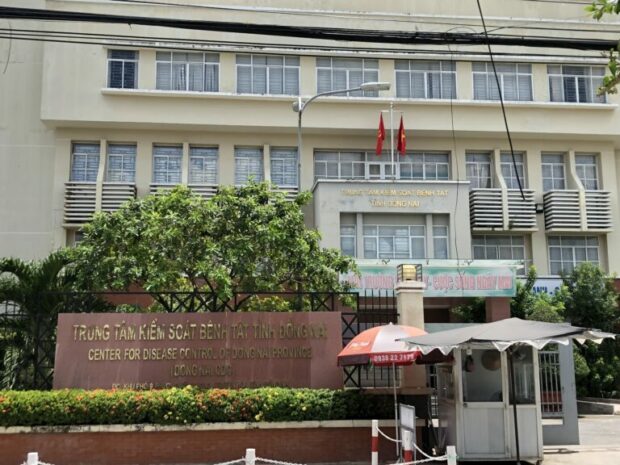
The Dong Nai Disease Control Center is directly under the Department of Health, composed of: the Reproductive Healthcare Center, the Maxillofacial Center, the Preventive Medicine Center, the International Health Center Quarantine Center, the HIV/AIDS Prevention Center, the Health Education and Communication Center, and the Occupational Health and Environmental Protection Center.

PROBLEM TO SOLVE / TASK
Most healthcare facilities, including those in Vietnam, are required to follow global standards for temperature control, such as those from the World Health Organization (WHO) and the International Society for Pharmaceutical Engineering (ISPE). Sensitive items like vaccines and medications require precise temperature ranges. For instance, vaccines often need to be stored between +2°C and +8°C.
Continuous Monitoring: WHO recommends 24/7 monitoring using electronic temperature monitoring devices, especially for cold storage facilities.
Alarm Systems: Facilities should implement alarms to alert staff to any temperature excursions.
Detailed logging of temperature data is critical for compliance, ensuring that any deviations are immediately addressed and documented.
WHO requires that all storage and monitoring equipment undergo calibration and regular maintenance to guarantee accuracy.
SOLUTION
The equipment was supplied and installed by TIN VIET ENGINEERING TECHNOLOGY COMPANY LIMITED
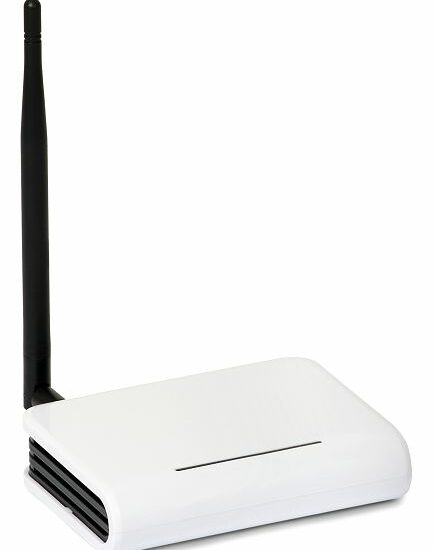
The Efento system meets all legal requirements, wireless sensors measure temperature, and send the data to a gateway which transmits it to the Efento Cloud platform. Efento Cloud collects the sensor data and allows users to visualize it, automatically generate reports and notify the hospitals’ personnel, if the temperature is out of the safe range.
Efento Cloud is a cloud based platform, what provides quick scalability, security and safety of the data. The platform is updated and monitored by Efento team, what gives the customers and users peace of mind. The data is constantly backed up in a data centre in a different geographical location than the main servers, to ensure that it will always be available for the customers.
Moreover, the personnel has direct access to the measurements using a free Efento mobile application.
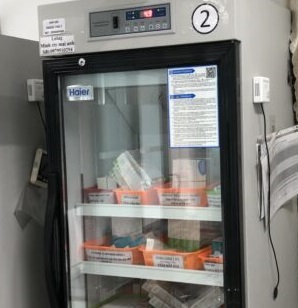
Monitoring the temperature in the refrigerator using a temperature logger with a probe
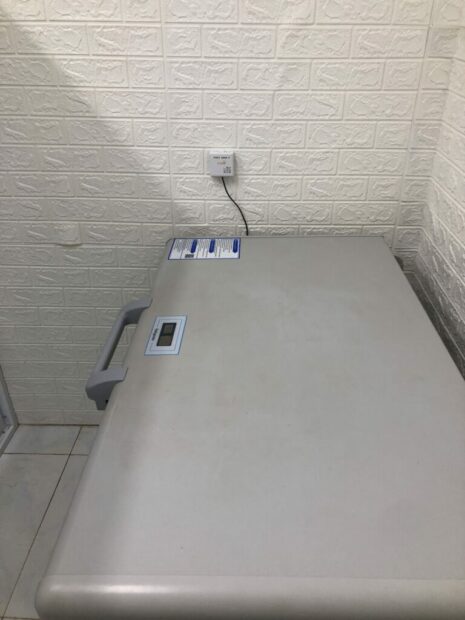
Temperature monitoring in a low-temperature freezer using a logger with a probe ranging from -200C to +200C 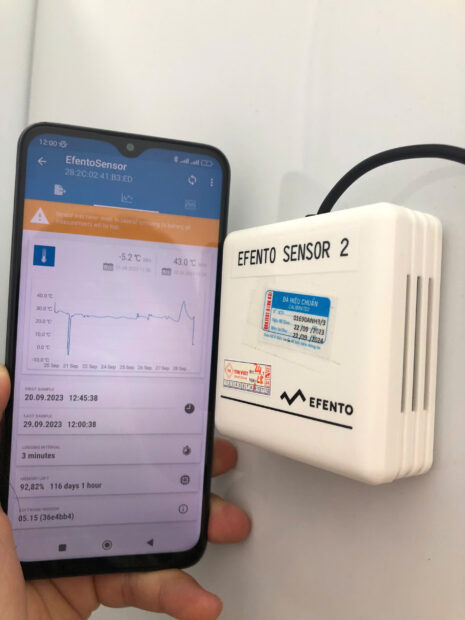
Free mobile app allows you to monitor temperature in real time and generate free alarms



 You can unsubscribe at any time